
The Rise of Futa AI in 2026
The intersection of technology and fantasy has expanded dramatically in recent years, with the emergence of Futa AI marking a significant milestone in digital experiences. Futa AI, a niche yet rapidly growing segment within the broader landscape of artificial intelligence, blends interactive storytelling with personalized character creation. In 2026, big strides are being made in how users engage with Futa AI, creating more immersive and customizable experiences. As creators tap into innovative AI models, the evolution of Futa AI is not only reshaping digital art but also influencing social dynamics around sexuality and identity.
For those venturing into this exhilarating domain, platforms like futa ai offer extensive tools and features for crafting personalized narratives, making it easier than ever to explore individual fantasies in a safe environment.
Understanding Futa AI and Its Origins
Futa AI, derived from the term "futanari," refers to characters that possess both male and female physical characteristics, traditionally featured in anime and manga. The concept has transcended its origins and entered the digital realm, powered by artificial intelligence that allows for dynamic character interactions. This blend of sexuality and technology has made Futa AI uniquely appealing to a diverse audience.
Historically, the representation of futanari can be traced back to early Japanese visual novels and hentai, but recent advancements in AI have allowed for far richer, more engaging experiences. Today, Futa AI is increasingly characterized by more realistic interactions and richer narratives—transforming a simple fantasy into an engaging digital experience.
Current Trends in AI Character Creation
As 2026 unfolds, the landscape of AI character creation is rapidly evolving. Artists and developers are leveraging machine learning algorithms to generate lifelike characters that respond to user inputs in real-time. This shift enables a level of personalization that was previously unattainable. Users can design traits—such as personality, appearance, and even backstory—tailoring experiences that resonate deeply with their fantasies.
Innovative platforms employ neural networks to create character animations that feel organic, further blurring the lines between fantasy and reality. Community-driven content is also on the rise, with users sharing their custom characters and narratives, expanding the Futa AI universe through collaborative creativity.
Technological Innovations Driving Futa AI
Deep Learning and Character Realism
At the heart of the Futa AI phenomenon is deep learning technology, which allows for advanced simulations of human-like behaviors and responses. Creators now utilize neural networks to train models on vast datasets, producing characters that exhibit nuanced emotional responses and complex interactions.
These advancements foster a realistic experience that enhances user immersion. The sense of connection users feel toward AI characters goes beyond visual appeal; it's about engaging in conversations that feel authentic, whether it's a light-hearted banter or a deep emotional exchange.
3D Modeling Techniques for Futuristic Environments
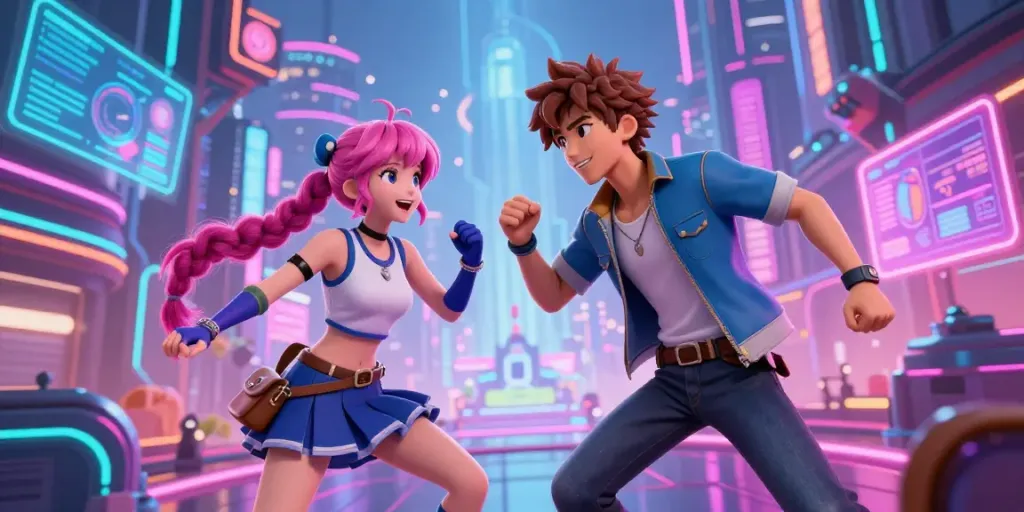
The visual representation of Futa AI characters has reached new heights with sophisticated 3D modeling techniques. Artists are utilizing software that allows for intricate character designs and environments, cultivating immersive worlds where users can freely explore their fantasies.
These environments are not just static backgrounds; they are dynamic spaces that respond to user interactions, further enhancing the sense of presence. This level of detail aids in grounding scenes, making fantasies feel tangible and real.
Interactive Features Enhancing User Engagement
Incorporating interactive elements, such as voice recognition and gesture controls, advances user engagement to the next level. Users can interact with their characters in real-time, asking questions or giving commands that the AI responds to meaningfully. This degree of interactivity is transforming passive viewers into active participants in their own stories.
Additionally, gamification is becoming a significant feature in Futa AI experiences, where users earn rewards for exploration and interaction, encouraging deeper engagement with the content.
Exploring Futa AI Content: User Perspectives
Popularity Among Different Demographics
The appeal of Futa AI spans various demographics, attracting audiences from different backgrounds and preferences. Research shows that individuals seeking alternative forms of expression and creativity often gravitate toward these digital experiences. The community surrounding Futa AI is diverse, reflecting a broad range of sexual orientations and identities.
This inclusivity has helped foster a supportive community where users share their experiences, favorite characters, and custom scenarios, further fueling the growth of Futa AI content.
Feedback Loop: How Users Shape AI Experiences
User input is invaluable in the Futa AI landscape. Developers often rely on feedback to refine character traits, storytelling elements, and overall engagement strategies. This feedback loop encourages platforms to adapt dynamically, ensuring they meet the evolving needs of their audience.
Surveys and community forums allow users to voice their preferences, helping creators understand what resonates with their audience. This collaborative spirit enriches the Futa AI experience and ensures that content remains fresh and exciting.
Balancing Fantasy and Ethical Considerations
While Futa AI presents thrilling possibilities, it also raises important ethical questions. The portrayal of sexuality in digital spaces prompts discussions on consent, representation, and the potential impact on societal norms. There is a growing emphasis on creating content that respects boundaries and encourages positive exploration of fantasies without crossing ethical lines.
Developers are striving to implement guidelines that promote respectful interactions within the community, cultivating a safe space for users to express themselves without fear of backlash or judgment.
Creating Futa AI Scenarios: A How-To Guide
Defining Character Backstories and Motivations
To craft compelling Futa AI scenarios, beginning with detailed character backstories is crucial. The backstory enriches the character and provides users with context that enhances their engagement. Consider defining motivations and conflicts that resonate with users, creating a relatable foundation for interactions.
Example: A character might have a troubled past that influences their relationships, making them more intriguing and relatable during interactions.
Developing Interactive Narratives and Scenarios
Creating interactive narratives involves blending decision-making elements into the story. Users should feel that their choices significantly impact the progression of the narrative. This approach deepens engagement and fosters a sense of ownership over the storyline.
Consider incorporating branching paths, where users can make decisions that lead to different outcomes, encouraging exploration of various scenarios and interactions.
Using AI Tools for Customization and Personalization
Modern AI tools allow for unparalleled customization of scenarios and characters. Platforms often provide sliders and parameters that enable users to fine-tune traits, appearances, and backgrounds, resulting in personalized experiences that resonate deeply with individual preferences.
Familiarizing oneself with these tools is essential for maximizing engagement. Users should explore the possibilities available, from visual alterations to narrative structure, to create unique experiences tailored to their desires.
The Future of Futa AI Beyond 2026
Emerging Technologies on the Horizon
As technology continues to evolve, the future of Futa AI is poised for phenomenal growth. Advancements in augmented reality (AR) and virtual reality (VR) are expected to play a crucial role, providing users with even more immersive experiences. Imagine stepping into a virtual world where interactions with Futa AI characters feel palpably real—this is the next frontier of digital experience.
Integrating Virtual Reality with Futa AI
The integration of virtual reality into Futa AI will enhance presence and immersion significantly. Users will be able to physically interact with their surroundings and characters, resulting in experiences that are not only visually stunning but also physically engaging.
As VR technology improves, users can expect environments that are richly detailed and responsive, effectively pulling them into an interactive narrative like never before.
Predictions for User Engagement Trends
Looking forward, user engagement trends indicate a shift toward more community-driven content. As creators continue to innovate, we can expect a rise in multiplayer Futa AI experiences, where users collaborate and engage in shared narratives. This evolution will foster stronger connections within the community and increase the longevity of engagement.
What is Next for Futa AI? Exploring Future Innovations
The innovation in Futa AI is relentless. Future advancements may see the introduction of ethical AI systems, ensuring the responsible creation of characters and narratives while maintaining user engagement. The community will likely also play a substantial role in shaping the direction of Futa AI, guiding developers on the evolution of content that aligns with user expectations.
How Will Futa AI Impact Digital Culture?
Futa AI is set to create ripples in digital culture, redefining how we approach identity, sexuality, and interpersonal relationships in virtual environments. As this technology proliferates, its influence will extend beyond entertainment, impacting discussions around gender fluidity and representation in media. Expect Futa AI to inspire art, literature, and discussions around the complexities of human desire and interaction in a digital age.